

Climate change is creating growing challenges for drinking water and stormwater utilities, including increased flooding, drought, extreme heat, and water quality risks. These pressures, combined with urban development and aging infrastructure, are placing new demands on utility systems and often disproportionately affecting vulnerable communities.
While many utilities recognize the importance of investing in climate resilience, decision-makers must balance limited resources, competing priorities, and uncertainty about future conditions. Utility managers need practical tools to evaluate options, prioritize investments, and clearly communicate the value of climate-resilient infrastructure.
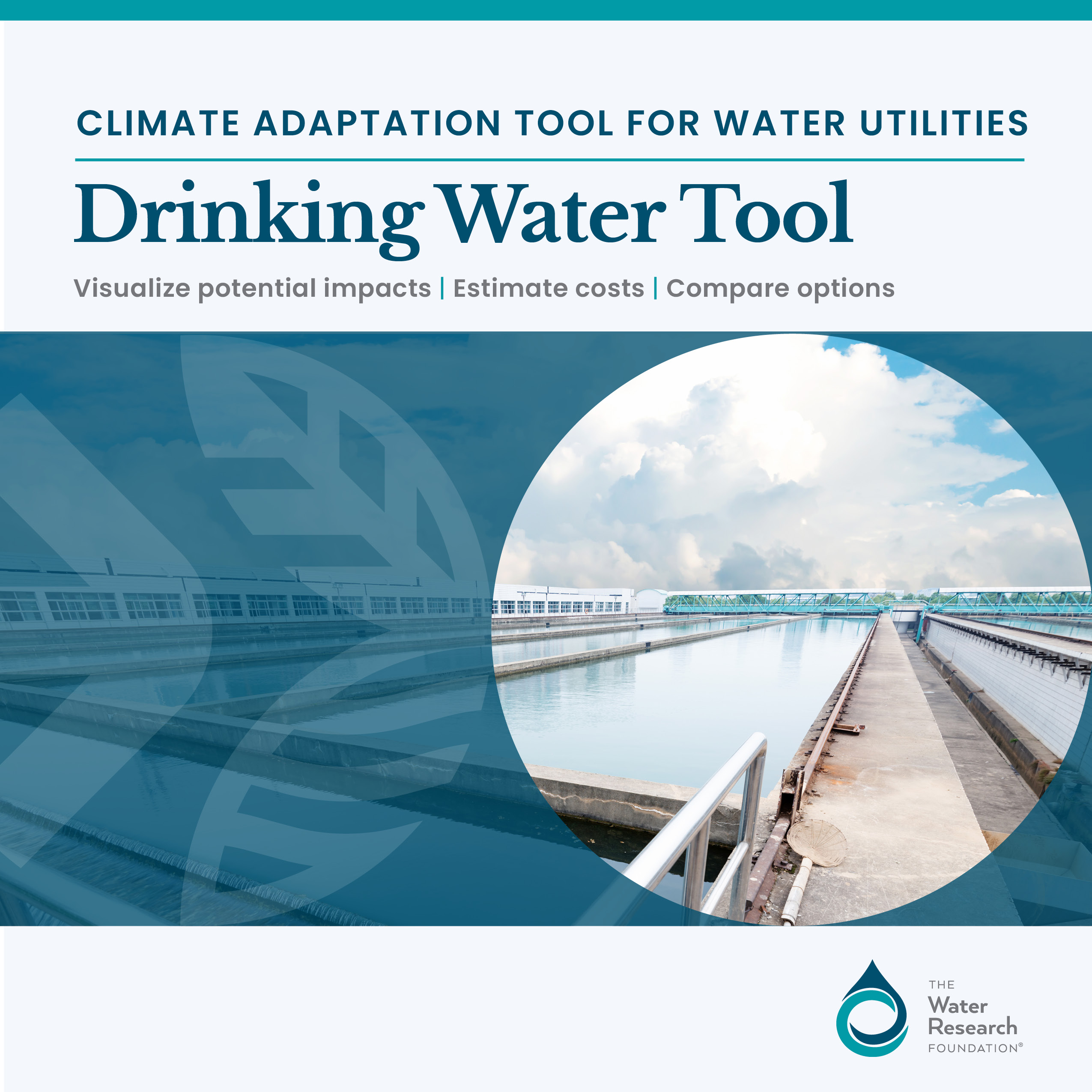
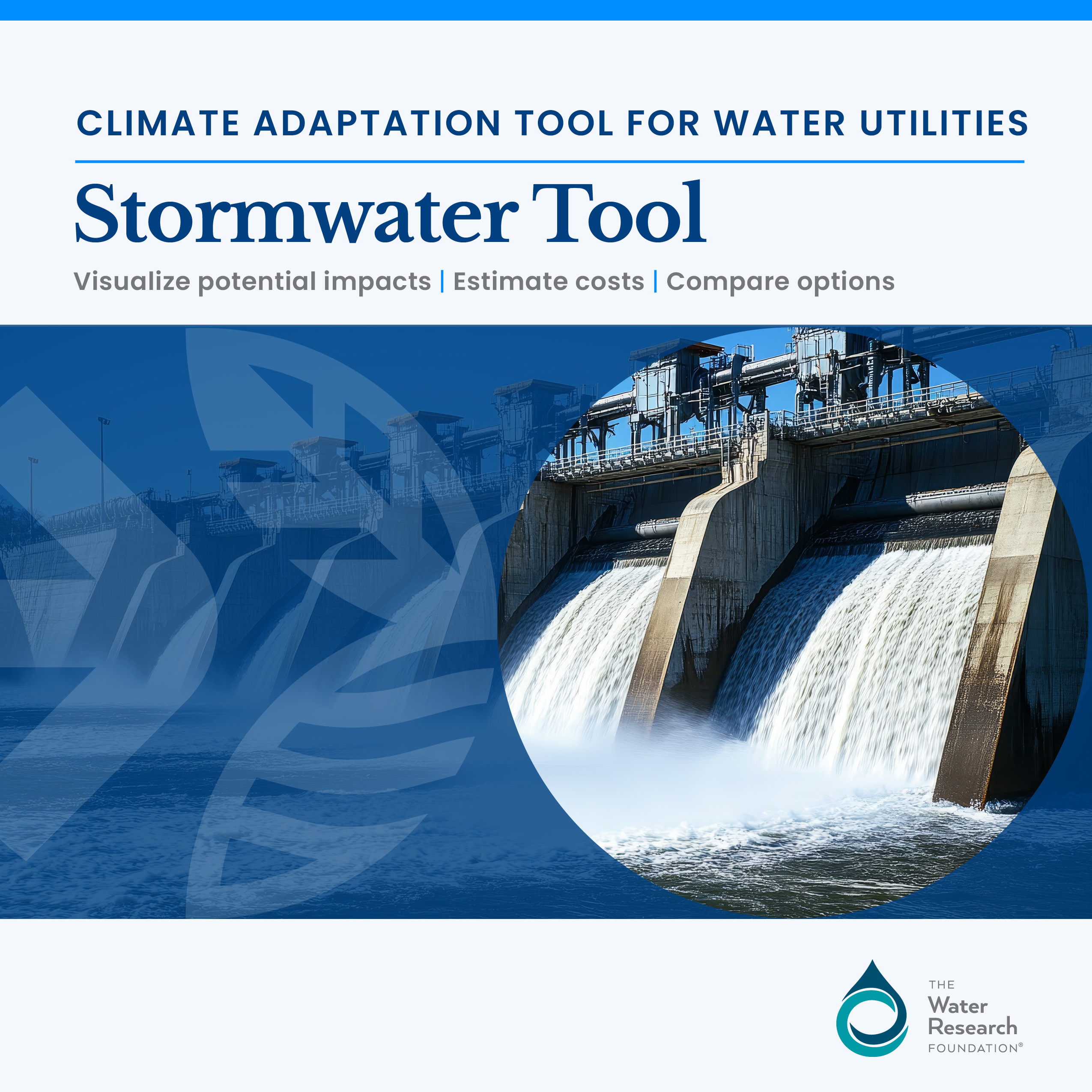
To support these needs, CIS and our partner, Radbridge Incorporated, developed two decision-support tools for water utilities: the Drinking Water Tool and the Stormwater Tool. These Excel-based tools use a structured benefit-cost framework to help utilities evaluate and compare climate adaptation strategies in a transparent and collaborative way.
The tools help utilities:
- Identify climate risks and adaptation opportunities
- Estimate costs and quantify a wide range of benefits
- Compare alternatives using consistent evaluation criteria
- Prioritize investments that deliver the greatest value
- Build a strong business case for climate resilience
- Communicate decisions clearly to stakeholders
Designed for real-world utility planning, the tools are flexible and easy to use. Utilities can incorporate local data, expert judgment, and stakeholder input to support informed, defensible decision-making.

 These tools were developed as part of a research project WRF 5222 “Making the Case for Climate-Resilient Water Infrastructure and Supporting Strategies” funded by The Water Research Foundation (WRF).